Recording the Newsletters issued by Casino Community Garden, located on the corner of Adam and Hartley Streets
(adjacent to entrance to Queen Elizabeth Park), South Casino, NSW, Australia.

The garden is a project of Casino Neighbourhood Centre, overseen by the Community Development Project Coordinator. As the flier concerning community gardens says, it is a place of beauty, joy, peace and kindliness, and friendliness too.

All links active at time of publication. Please report any broken link you come across to Jan. Thank you.

5 August 2013

NEWSLETTER AUGUST 2013

CASINO COMMUNITY GARDEN

Monthly Newsletter #6 Issued August 2013


Around Casino Community Garden this Month

Every Tuesday from 8.30am: Join in at the garden with Jo, Janine, Mark and Kevin, weeding, general garden activities, and planting still going on.

Every Wednesday 12 noon:  Lunch gatherings every week at the garden - come on down at noon and have a bite to eat, a cuppa and join in the chat with the regulars, topics include good food, gardening and healthy living.

First Wednesday of month:  Lunch 12 noon, MEETING 12.30 for about an hour

News:   

Lunchtime Wednesday

A very pleasant time to look forward to, with 12 present on the last Wednesday in July with at least three regulars not making it.

  Jean enjoying our mid-winter sunflower at lunchtime, pic Jo

Installation of tank

The tank has not arrived as yet

Next Garden Clinic Day - "Welcome to Spring"  Saturday 31st August

Jo has finalised the speakers and arrangements. There will be a media release in the Richmond River Express, posters around town and the latest on Facebook as details are available. 

The event, open to all, starts at 1.00pm

Speakers
Linda Brooks - Alternative Energy Production and Methane Power
Agnes Tierney - Unusual Ways to use Vegetables especially Asian
Keith Larsson - Composting and Biochar

Pizzas and afternoon tea will be ready from about 3.00pm or 3.30pm with the day concluding about 4.30 to 5.00pm

Participants are also invited to bring along their excess produce, plants, seedlings and gardening items to swap or share.  Any questions please contact Jo on 6662 5435.

Wheelbarrows

Our wheelbarrows were stolen in July, and Owen Crawford posted about it on Facebook.  We are very grateful to Ross and Sue Franey from Richmond Valley Tree Services who responded immediately with a $500 donation to replace the wheelbarrows. 

Garden and Tool Sheds

The garden shed donated by Aileen Daly will be relocated to the garden soon.  The concrete slabs are in place for the garden and tool sheds.  The sheds will be very much appreciated to keep items safe as currently some gardeners bring their own tools from home.
In this pic Liz, Jo, and Mark on ground, and Barry
The concrete footing for garden shed

Undercover Area

A stainless steel sink has been purchased at a local auction, and Jo is on the lookout for the stainless steel sheets for the bench and shelves.  An offer has been received to construct them when we get the materials.

Bench Seat

As a special project, the Youth Services and REAL Services from Casino Neighbourhood Centre and students from Casino High School are constructing a bench seat for a relaxing spot in the garden.

It will be a colourful addition to the garden as it will be mosaicked. 

Jo and Rod

John and Rod

John and Troy

Reading for August

The most common fruit in our gardens is citrus


THERE'S no doubt that the most widely grown fruit in the home garden in our part of the world is citrus.
Lemons, limes, oranges, and mandarins are really easy to grow.And they produce vast quantities of delicious, juicy fruit packed with vitamin C in winter, right when we need it most.I think they are worth growing just for the fragrance of the blossom in spring.The fruit is an added bonus.

Most citrus fruit last very well on the tree, sometimes for several months after ripening.So you don't have to pick the fruit and use it all at once, which makes a citrus tree an ideal choice for the home gardener.All you need is a position that receives at least six hours of full sun every day, and well drained soil or a large pot full of premium potting mix.

If space is a problem, choose one of the dwarf varieties available now.Eureka lemons bear several crops each year, have few seeds and not many thorns.Lisbon lemons have a high acid content and are pretty thorny, especially when young. They are more cold-tolerant than Eureka.Meyer lemons are actually a cross between a lemon and an orange, so they are sweeter, with a lower acid content, and a thin skin.


The most popular orange varieties are the navels, such as the Washington and Lanes Late, which both produce seedless fruit with good flavour, and the Valencia, a late, seeded variety. If you have room, you can plant one of each and have fresh oranges almost all year. Washingtons mature May-June, Lanes Late around August, and the Valencias mature September-October and last on the tree for up to six months, as long as the fruit fly doesn't get to them.

Good mandarin varieties include the easy-to-peel Imperial, the Emperor, which has excellent flavour and is really hardy and the Honey Murcutt, which can be a bit seedy and difficult to peel, but makes up for that with superb flavour.

Tahitian limes produce the round, green fruit much loved for gin and tonics. The Kaffir lime is grown mostly for its leaves, which are a mainstay of Thai cuisine. The fruit is very bumpy, and not as juicy as a Tahitian.  And don't forget the Citrus Gems range of native limes. Sunrise Lime is a cross between a finger lime and a calamondin. It produces elegant, sweet, pear-shaped golden fruit which can be eaten whole. Outback Desert Lime has masses of sweet, tangy grape-sized fruit with very thin skin. Macerate them in sugar syrup or just eat them whole.  Red Centre Lime is a cross between a finger lime and a Rangpur lime. The fruit are rich red, with red pulp and gorgeous pink juice. Rainforest Pearl is a finger lime and the fruit contain masses of lime pearls, which are just sensational in drinks, salads and desserts.

Caring for your citrus trees is easy. Water them deeply and protect them from scale insects, aphids and citrus leaf miner with regular applications of organic Eco-Oil. Feed them a couple of times a year and prune to keep them a manageable size. Protect the root zone with a layer of mulch. If you are growing your citrus in a pot, use a premium potting mix, feed and water diligently and re-pot every couple of years, trimming the roots as well as the canopy and adding fresh premium potting mix.

By Maree Curran as seen on Coffs Harbour Advocate website

Around our garden this month

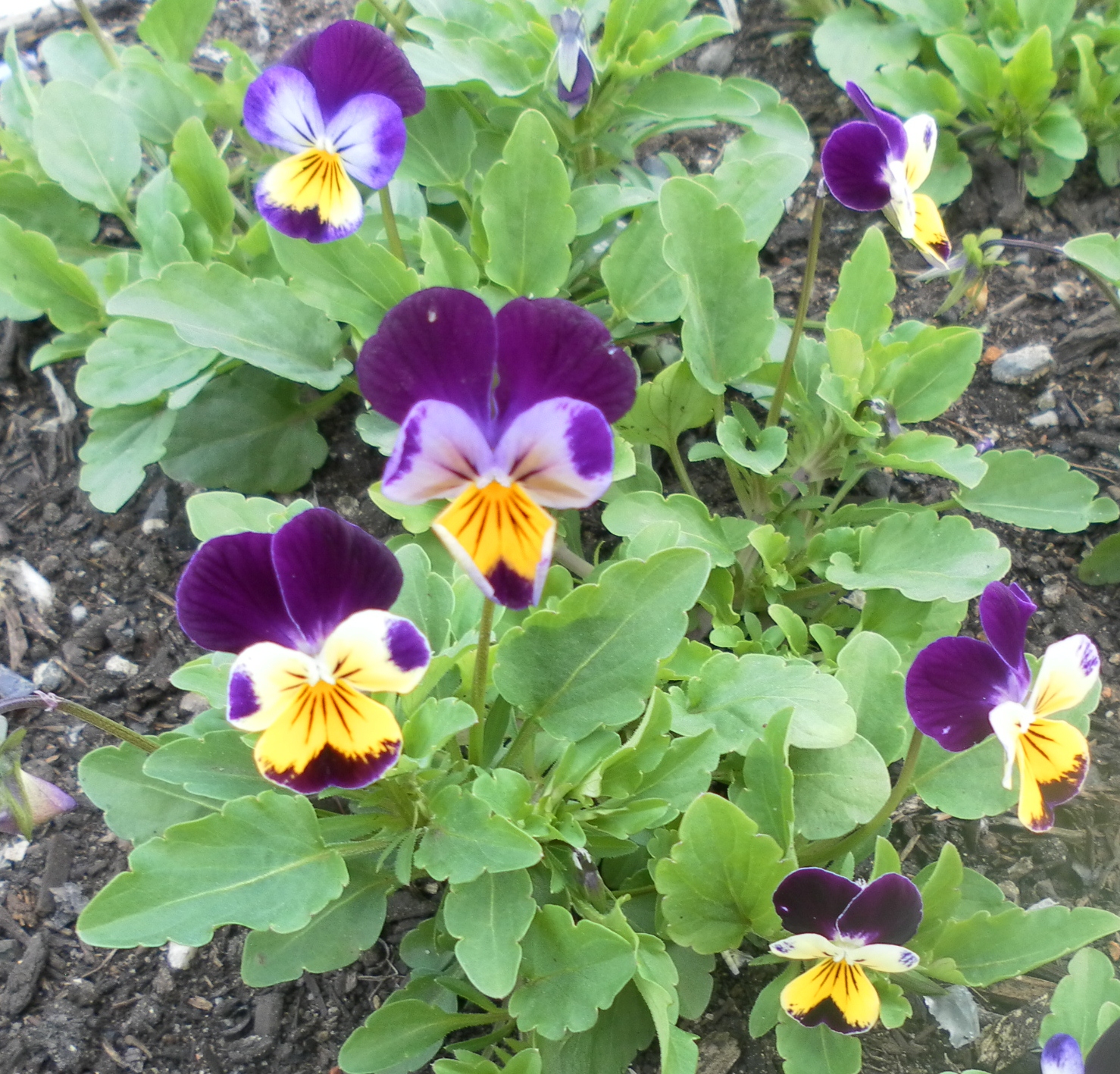
Heartsease - herb garden


Flowering in the garden now as pictured, and  commonly known as 'Heartsease' or Johnny junp-up, this Viola Tricolour is a cheery little annual guaranteed to brighten up the bleakest winter's day. 

A rainbow of different cultivars has been produced by plant breeders, with flowers available in every colour except green.  The species has dainty white, purple and yellow flowers borne most freely from late Autumn to late Spring.  In recent years, heartsease has regained popularity as a dual-purpose plant.  It has a long history of use in herbal medicine, and the edible flowers add a splash of colour to cakes and salads.  Seedlings are available in nurseries, but heartsease is also easy to grow from seed.  Sow into punnets, then transplant to a fertile garden bed or a decorative container.   See more at heartseaase

Around the garden, two of our regular gardeners, Kevin and Janine

 Janine, these two pics Jo

Vegetable Planting Guide by Gardening Australia for August

On website, click on subtropical, then vegetable, for description 

Artichoke globe and Jerusalem, asparagus, beetroot, cabbage 9loose and tight-headed), chicory, endive, garlic, kohlrabi, leeks, lettuce, mustard greens, onion, parsley, peas and snow peas, potatoes, radish, shallots, spring onions, tomatoes and watermelon.

August in your garden

Start preparing the vegetable garden.  Dig in well-rotted animal manure, composted organic material and blood and bone.  The more time spent preparing the soil, the better the results. 

Rotate vegetable crops.  Divide crops into three groups: one with manure only, one with manure and compost and another with lime or dolomite and compost.  Rotate yearly for  best results.

Old clumps of herbs may be lifted, divided and replanted.  Check new shoots of bulbs when weeding, and put snailbait around young seedlings and bulbs. 

Feed all types of  citrus with packaged citrus food or complete plant food.  Water before and after feeding.  Follow dosage rates strictly and don't scatter fertiliser over soil: drill holes about 15cm deep into the ground under foliage canopy in concentric rings and fill with fertiliser (dozen holes for a mature tree).  Water steadily for several hours.

Citrus in tubs should be treated in the same way except that four or five holes are sufficient; no more than half a cup of fertiliser should be used.  Potted citrus also require trace elements as these are washed out by frequent watering.
By Better Homes and Gardens

Note: Sustainable Gardening "August in your Patch" 2012 post removed, and 2013 post not online as yet.


Recipe Corner

Easy Spinach and Potato Frittata

Spinach and silverbeet in the garden now, perhaps add some kale as well.
A recipe is only a guide, you could add cooked chicken or ham. 
Halve everything for 2 - 3 serves.
 
Pic from web 
Ingredients - serves 6

2 tablespoons olive oil
6 small red potatoes, sliced
2 cups spinach torn or roughly chopped
2 tablespoons finely chopped shallots or onion
1 clove garlic grated
salt and pepper to taste
6 eggs
100 ml or 1/3 cup milk
60g or half cup grated cheddar cheese

Preparation: 10 minutes. Cook: 20 min - ready 30 minutes 
  1.  Heat olive oil in medium frying pan over medium heat. 
  2. Place potatoes in the pan, cover and cook about 10 minutes until tender but firm.
  3. Mix in spinach, shallots/ onion and garlic. 
  4. Season with salt and pepper.
  5. Continue cooking 1 or 2 minutes, until spinach wilted.
  6. In medium bowl, beat together eggs and milk.
  7. Pour into pan over vegetables.
  8. Sprinkle with cheddar cheese.
  9. Reduce heat to low, cover and cook for 5-7 minutes or until eggs are firm
  10. May be browned under the griller.
 *********************************
All photos by Jan unless stated otherwise.

Suggestions and photos welcome, by email to Jo (see below) or Jan - casinogarden@gmail.com
Or bring suggestions along to lunch on Wednesdays or the meeting on first Wednesday at 12.30.
Ask Jo about being a member of the garden for $5 (no obligation to do the gardening)
________________________________________
Casino Community Garden
A Project of the Casino Neighbourhood Centre 
Contact - Jo Nemeth Phone 6662 5435
Weekly Garden Gatherings -
Tuesdays from 8.30am and 
Wednesdays at noon for a free lunch - All Welcome
________________________________________


2 July 2013

NEWSLETTER JULY 2013

CASINO COMMUNITY GARDEN

Monthly Newsletter #5 Issued July 2013


Around Casino Community Garden this Month

Every Tuesday from 8.30am: Join in at the garden with Jo and Mark, weeding, general garden activities, and planting still going on.

Every Wednesday 12 noon:  Lunch gatherings every week at the garden - come on down at noon and have a bite to eat, a cuppa and join in the chat with the regulars, topics include good food, gardening and healthy living.

NEWS: 

All Weather Access Path

Next project is to install a concrete path. It will be built by Novaskill.  Jo will seek sponsorship from the local community for each metre of the path to cover costs and get the community involved.

Names of Sponsors to be displayed on the undercover area for good visibility.   It will be 25 metres long, and a media campaign will be launched as soon as all the details are confirmed.
 Path  will go through this area
All photos at Casino Community Garden unless stated otherwise

Installation of Tank
The tank stand is complete and weldmesh or similar is being considered to create a storage area underneath for wheelbarrows etc.  The tank itself is due to be installed by the end of July.

Next Garden Clinic Day
Consideration is being given to the content of the next Open Day.

Garden Club Competition
Ideas are floating around about entering a couple of sections of the Casino Garden Club competition this year.

Join us on Facebook for news from our Casino Community Garden and interesting garden posts from Australia and around the world. 

Read current and back issues of this newsletter online at our newsletter blog.


Vegetable Planting Guide by Gardening Australia For July
On website click on subtropical, then vegetable, for description

Broad beans, burdock, cabbage (loose and tight headed), carrots, chicory, chives, endive, garlic, hauauzontle, Jerusulem artichoke, kohlrabi, collards, lettuce, mangle-wurzel, mustard greens, oregano, pak choy, bok choy etc. parslye, peas and snow peas, radish, rocket, salsify, silverbeet, spinach, turnips/swedes.

July in your patch (North from Coffs Harbour)
  • Time to plant winter wonders - leeks, beetroot, celery, lettuce, broccoli, cabbage, carrots, cauliflower, turnips, onions, kale, kohlrabi, spinach and silverbeet.
  • Check out the herbs - lemon grass, spring onions, chamomile, thyme, mint, rosemary and lemon balm.  Try lemon balm in a pot around the outdoor area. It will stop it spreading, and keep away mozzies!
  • Pretty up your patch with these flowers - marigolds, lupins, pansies, cornflowers, violas, snapdragons, stock, ageratum, verbena and lavender.
  • Growing these flowers will add colour and interest, and attract beneficial insects.
  • Feed your plants with a seaweed tea, especially the new seedlings.
  • Keep up the weeding, mulching and watering when needed.
Sustainable Gardening


NO DIG VEGETABLE GARDEN

Do you need a new garden bed, but not up to digging much these days?  We've all heard about the No Dig Garden, but may not have tried it ourselves.

The no dig garden is build on top of the ground, existing beds, lawn or even hard rocky ground and can be any size or shape.

Choose a spot that gets at least four hours sun a day.

For a bed 1.5 x 2.5 metres you need:

  • a bag of organic fertiliser -  cow poo or compost,
  • a bale of clean straw (try to get clean straw without too many seeds)
  • a pile of old newspapers,
  • a bale of lucerne hay,
  • your garden hose, gardening gloves, water,
  • a tub (we use an old baby bath) to soak the newspapers.
  • water as you go!
Method


(Illustration - Esther Dean's No Dig Garden from Hunter Organic Growers Online)

  1. Choose the position for your bed, full sun best, or at least 4-5 hours per day
  2. Prepare the site by mowing the grass if necessary.
  3. Build the border if you are having one.
  4. Start with a thick layer of soaked newspaper, about 10 sheets at a time and make sure to overlap.  Glossy or coloured paper not suitable because of inks and plastics.
  5. Lay down sections or 'biscuits' of the lucerne hay to a height of 100mm - 4 inches (no gaps) .
  6. Sprinkle on even 20mm layer of good organic fertiliser.
  7. Cover with loose bedding of straw, about 200mm thick.
  8. Add another layer of organic fertiliser.
  9. Finally insert pockets of compost in the straw, or a layer of compost or soil where you want to put the seeds or seedlings.
  10. For most vegetables it is recommended to raise seeds in a tray first and transplant into your patch once they have developed their set of second and third leaves.  


New bed at Barry and Jan's backyard, with netting to keep out cabbage moths and sparrows, 
suitable for vegetables that don't need pollination by bees.


Featured plants around our garden this month

The Herb Borage 

Borage is a wonderful plant to have around the garden.  Borage (Borago officinalis), also known as starflower, bee bush, bee bread and bugloss, is a medicinal herb with edible leaves and flowers.  It is a favourite of the honey bees, and also bumble bees and small, native bees.

With a taste comparable to that of cucumber, borage has various culinary applications.  The leaves can be used as a salad green and the flowers as edible decorations.  Can be used in soups, salads, borage-lemonade, preserves, borage jelly, various sauces, cooked as a standalone vegetable, or used in desserts, in the form of fresh or candied flowers, to name a few.

This herb is also the highest known plant source of gamma-linolenic acid (an Omega 6 fatty acid also known as GLA) and the seed oil is often marketed as a GLA supplement.  it is also a source of B vitamins, beta-carotene, fiber, choline, and trace minerals.

The uses of borage include repelling garden pests, attracting pollinators, and aiding many plants when interplanted by increasing resistance to pests and disease.  It is also helpful to, and compatible with, most plants especially tomatoes, strawberries and squash.  Borage adds trace minerals to the soil and is good for composting and mulching.  An annual, it readily self-seeds and thrives in full sun.  It is so proficient in self-seeding that once a borage plant has established itself in your garden, you will likely never have to reseed again.  The plants can easily grow to 3 feet (91cm) tall and 2 feet (61cm) wide, so give them room to grow, and let them shade your partial sun plants. Treat this easy-to-keep herb well and it will reward you with scores of beautiful flowers, lush foliage, and fertile soils.


Rosemary for Remembrance


Rosemary is used as a decorative plant in gardens and has many culinary and medicinal uses.  The plant is said to improve the memory. The leaves are used to flavour various foods, such as stuffings and roast meats.  Rosemary is high in iron, calcium and vitamin B6. Rosemary antioxidant levels are closely related to soil moisture content.

Rosemary grows on friable loam soil with good drainage in an open sunny position.  It will not withstand waterlogging and some varieties are susceptible to frost.  It grows best in neutral to alkaline conditions (pH 7-7.8) with average fertility.  It can be propagated from an existing plant by clipping a shoot (from soft new growth) 10-15cm (about 4-6in) long, stripping a few leaves from the bottom, and planting directly into soil.

Sprigs of rosemary are worn on ANZAC Day and Remembrance Day in November signifying remembrance. The herb grows wild on the Gallipoli Peninsula.

More at Rosemary

Recipe Corner

Choko and Apricot Jam

Ingredients

2 kgs chokos
1 packet dried apricots soaked overnight
2 kg sugar
1 x 50g packet powdered Fruit Pectin (Jamsetta, available at supermarket)
Juice 2 lemons

Method
  • Cut up choko (small)
  • Sprinkle with 2 cups sugar, cover and let stand overnight
  • Soak apricots
  • Next morning strain water off apricots and save 
  • Add two cups of this saved water to choko
  • Boil until tender
  • Add apricots
  • When boiling add remainder of sugar, fruit pectin and lemon juice.
  • Boil until jam forms skin on saucer when tested.
  • Bottle jam into sterilized jars, seal, label and date.
Recipe by Shirley Wheatley who delighted those present at last lunch time meeting by bringing 
along a jar of the jam, and fresh bread for everyone to taste.

Any suggestions?
Or bring suggestions along to lunch Wednesdays

Ask Jo about joining the Garden (cost $5) to join email list.

All photos this issue Jan Brine
________________________________________
Casino Community Garden
A Project of the Casino Neighbourhood Centre 
Coordinator - Jo Nemeth Phone 6662 5435
Weekly Garden Gatherings -
Tuesdays from 8.30am and 
Wednesdays at noon for a free lunch - All Welcome
________________________________________

8 June 2013

NEWSLETTER JUNE 2013

CASINO COMMUNITY GARDEN

Monthly Newsletter #4 Issued June 2013


Vegetable Planting Guide by Gardening Australia

Beetroot, Broad beans, Cabbage, Carrots, Cauliflower, Celeriac, Celery, Chicory, Chives, Collards, Endive, Garlic, Kale, Kohlrabi, Lettuce, Mustard greens, Onions, Parsley, Peas, Radish, Rocket,Shallots, Silverbeet, Snow Peas.
ABC Vegie Guide
Website advises whether to plant in garden or seed trays and time until harvest.


June in your patch (North from Coffs Harbour)
  •  Still time to plant winter vegies including potatoes, and fruit trees.
  • Time to feed your garden with a seaweed tea, or any low environmental impact liquid fertiliser, perfect for giving them a kick start as they establish.  Apply to soil early in the morning and in the concentrations mentioned on the packet.
  • Plant flowers - marigolds, lupins, pansies, violas, phlox, verbena and lavender for colour and to attract beneficial insects.
  • Consider a green manure crop for an overworked patch. Try millet, oats, lupins or field peas.
  • Water with deep drink first thing in the morning a couple of times a week.
  • Always check soil moisture before watering at this time of year.
  • Top up mulch on your vegie patches, herb gardens and ornamental beds for weed suppression to about 7cm.  Keep mulch clear of plant stems... especiallly young seedlings.  Choose a sustainable, low environmental impact mulch, one that will enrich your soil as it breaks down.
  • Weeding is an awesome job to do at this time of year.  Cut down the competition between your plants and weeds, and tidy up your patch.  It may sound tedious, but it's incredibly rewarding.

Sustainable Gardening  here


Around Casino Community Garden this Month
Every Tuesday from 8.30am: Join in at the garden for hoeing, weeding and general garden activities, planting still going on.

Every Wednesday 12 noon: Lunch gatherings every week at the garden - come on down at noon and have a bite to eat, a cuppa and a chat to the regulars.... we often talk about good things like good food, gardening and all things healthy living.....

We currently have a regular gardener. Come along and say hello to Mark on Tuesday or Wednesday morning, and see all that is going on at the garden.

Photo by Heather Day

May Garden Clinic

Our May Garden Clinic was held under the banner of a regional campaign by Sustain Northern Rivers - Think Global - Eat Local.

It was a glorious, sundrenched Autumn day and the garden looked very inviting.

Speakers kept our interest and were well-informed on their topics.  We enjoyed a generous BBQ lunch, tea and coffee, platters of fruit, homemade damper and rosella jam, fruit cake and jamdrops.

Peter Cotterill - Reducing Waste and Recycling


Peter kicked off the speaking program with his talk on reducing waste and recycling, and answered 
our questions.  He reminded us to consider what we purchase and avoid buying unnecessarily to reduce waste, reuse, recycle and dispose thoughtfully.

Peter outlined RVC services and discussed landfills and pointed out items free to dispose of, which many were not aware of.  He filled us in on RVC's future plans concerning waste and services available.

Eddie Handford - Bees

Eddie spoke about bees being killed out by a mite which is a major pest, and small hive bees.  Eddie demonstrated a trap to catch them which he invented, which was accepted in the industry.  Some pesticides are also taking a big toll on bees and are banned in Europe.
We learnt about the life cycle of bees and why they swarm and many interesting facts.
If you get stung by a bee, scratch out the sting with a fingernail.
Don't Squeeze.
Shirley Wheatley - Container Gardening
 Shirley's talk on Container Gardening was previously given at the "Living on the Line" session at the garden in April with full story in our May Newsletter.

Shirley demonstrated a collection of re-usable items, and a tip -new to many - was planting the stump of celery from the greengrocer for ongoing celery in your container or garden.

In the photo, Shirley is showing us the garlic started in toilet rolls, ready to replant.

Shirley also brought along several books available at the library, to show us. There is a wealth of information available locally.

Keith Day - Home Irrigation

Keith pointed out a concern to many of us, that we waste water hosing our gardens and often we are not available to water at the best time of day.  Keith outlined a solution that is not difficult to implement.

It is a system that turns on and off automatically and directs water where required and can be set up for about $75 for the average vegetable garden, or we can use soaker hoses for much less.

He showed us what we need to purchase and how it all fits together, easily doable by the home handyman.
Words and photos May Garden Clinic Jan Brine

Around the Garden
Nasturtiums
They're tasty additions to salads, great ground cover, pest controllers, attract beneficial pollinators, make cheerful cut flowers and are also a great medicinal plant.

They attract predatory wasps which attack caterpillars, deter pumpkin beetles and cabbage whites if grown next to brassicas and act as a catch plant for aphids (preferred meal for them apparently). They are a great companion plant and great living mulch.

Unripe nasturtium seeds can be used as a caper substitute - pour freshly boiled vinegar over a tightly packed jar of the freshly picked seeds.


Rocket (Arugula/ Rucola in overseas recipes)

As with other greens, rocket is very low calorie and has many vital phytochemicals, antioxidants, vitamins and minerals beneficial for health.

It is a quick growing crop, preferring well-drained, fertile soil and full sun to flourish.  In general rocket grows to about half a metre in height with creamy-white colour edible flowers.

Sow regularly for rocket all year.  Keep well watered in well drained ground.  Will go to flower rapidly in hot dry weather.  Harvest by picking off the leaves as required.

Source: various Google
Grow Citrus Trees in Pots


No longer do you need a big old-fashioned backyard to have citrus on hand.  With new dwarf varieties, you can grow productive citrus trees in pots even on a sunny balcony.
Lots a' Lemons and Dwarf Eureka,  both lemons, suit pots.  For a small lime try Dwarf Tahitian or one of the Australian native limes.  Citrus splitzers are multi-grafted citrus with both lime and lemons (and other combinations) on one plant and are ideal for large pots.  Mandarins, cumquats and calamondins also make good potted plants.  As citrus are productive in Winter there is a good range available now at the nursery.
To get the most from your potted citrus, give it regular care and attention.   One thing thatis essential is sunlight.  Citrus need full sun which means placing them in the sunniest part of your garden or balcony.  As they fruit during Winter, make sure the spot is sunny in Winter.

Getting Started
Select a large pot to grow your citrus and put the pot into its final position before you beginto fill it with potting mix.  Pots that are suitable must have several large drainage holes in their base and be elevated slightly off the ground on pot feet or bricks.  Buy a good quality potting mix and make sure you have enough potting mix to fill the pot to within 4cm of the rim (to allow space for watering).  For a large pot - that is one that is over 40cm in diameter - you'll need several bags of potting mix.  Modern potting mixes provide good drainage, but for a plant that's going to be in a large pot for a long time it is best to add about 10 percent soil to the potting mix, combining it well.  This  prevents the mix from slumping - that is diminishing in the pot so the plant is sitting well below the top of the pot.  Water the plant in well, firming it in the potting mix.

On-going Care
Potted citrus need to be watered two to three times a week. In very hot or windy weather, particularly if this type of weather occurs when your tree is in flower or forming small fruit, it may need daily watering.  Always make sure the water soaks into the potting mix and doesn't simply run through without soaking in.  Citrus also need to be well nourished.  The best way to provide all the nutrients they need is to use complete citrus food.  This should be applied in small amounts once a month from August to mid Autumn.  Water the pot well when applying any fertiliser.  To avoid pest problems, regularly spray new growth with horticultural spray oil such as PestOil.  This treatment controls citrus leaf miner and aphids along with sap suckers like spined citrus bugs.
By Jennifer Stackhouse

Recipe Corner
Choko Pickles
2 kg chokos
3 large onions
2 cups sugar
1 litre vinegar
1 heaped dessertspoon each turmeric, mustard, curry powder
3 heaped tablespoons of plain flour
2 tablespoons salt.
Peel and dice chokos, peel and slice onions, put in plastic ontainer, sprinkle with salt and let stand overnight.  Next morning strain liquid off.
Put chokos and onions on to cook with vinegar and sugar (15 - 20 minutes).
Mix the dry ingredients together with vinegar (you may need a little extra for this), add to choko mixture and boil for 15 - 20 minutes.
Bottle while hot.
Other combinations of vegetables can be used such as cauliflower, green tomatoes, cucumbers, beans to make up 2kg.
If preferred, less sugar can be used as this is quite sweet - maybe one cup!
Choko Chutney (I'm sure 2013 is the year of the Choko)
10 fair-sized chokos
2 large onions
4 Granny Smith apples 
1/2 red and 1/2 green capsicum and a little ginger, fresh or crystallised  (can be added)
1 litre vinegar (reserve a little of this to mix the dry ingredients)
200g sultanas
1 dessertspoon mustard
1 dessertspoon curry powder
1 tablespoon turmeric
3 tablespoons plain flour
4 cups sugar (maybe less could be used, depends on your taste, seems a lot!)
Cut chokos and onions rather small, cover with cold water and a handful of salt.  Boil until soft, drain off water, add vinegar, sultanas, capsicum and sugar and boil for 10 minutes.  Mix remaining dry ingredients with reserved vinegar.  Stir into choko mix, boil 10 minutes to cook the flour, stir occasionally.   Bottle while hot, this chutney will keep well.
Thanks to Shirley Wheatley for these recipes 
Moist Boiled Fruit Cake
Place following in medium saucepan
1 x 425 g mango slices in natural juice, or any tin fruit
500g mixed fruit
1/2 cup water
Spices (cinnamon, mixed spice etc to taste)
Bring to very gentle boil on stove top hot plate for a minute or so.
Add 1 flat teaspoon bi-carb soda, it will froth up.   Allow to cool.
Later add 1 and 1/2 cups Self Raising flour 
2 beaten eggs (or 3 small)
Mix through and spoon into medium springform cake tin lied with baking paper.
Bake in moderate oven for 1 hour,  Test with skewer to see if cooked, should be just drry.
Notes: 
This is a very forgiving recipe, substitute port, sherry etc for some of the liquid, add walnuts, almonds, ginger, glace cherries, mixed peel, etc...as liked.
Makes a good Christmas Cake decorated with slivered almonds.
If you are thinking of making gluten free, check the label of the Mixed Fruit as many contain wheat.
If you only have the 375g dried mixed fruit, it still works.  Or buy the 1kg mixed fruit and use half, and the 800g tin mango in natural juice and use half and freeze remainder for next time.
 Words and photo Jan Brine

______________________
Casino Community Garden
A Project of the Casino Neighbourhood Centre
Coordinator - Jo Nemeth   Phone 6662 5435
Email: coordinator.cdp@cnci.org.au
Weekly Garden Gatherings -
Tuesdays from 8.30am and Wednesdays at noon 
for a free lunch - all welcome!
______________________


NEWSLETTER MAY 2013


CASINO COMMUNITY GARDEN

Monthly Newsletter #3 Issued May 2013


Vegetable Planting Guide by Gardening Australia
On website, click on subtropical, then vegetable, for description
Broad beans, burdock, cabbage (loose and tight headed), carrots, cauliflower, chicory, chives, collards, endive, garlic, huauzontle, Jerusalem artichoke, kohlrabi,lettuce, mangle-wurzel, mitzuna, mustard greens, oregano, pak choy, bok choy etc, parsley, peas and snow peas, radish, rocket, salsify, silverbeet, spinach, turnips/swedes.

Sustain Food has a Northern Rivers annual chart we can print.


May in your patch (North from Coffs Harbour)
  • Time to plant winter wonders - leeks, beetroot, celery, lettuce, broccoli, cabbage, carrots, cauliflower, turnips, onions, kale, kohlrabi, spinach and silverbeet.
  • Check out the herbs - lemon grass, spring onions, chamomile, thyme, mint, rosemary and lemon balm, Try lemon balm in a pot around the outdoor area. It will stop it spreading and keep mozzies away!
  • Pretty up your patch with these flowers - marigolds, lupins, pansies, cornflowers, violas, snapdragons, stock, ageratum, verbena and lavender.  Growing these flowers will add colour and interest and attract beneficial insects.
  • Feed your plants with a seaweed tea, especially the new seedlings.
  • Keep up the weeding, mulching and watering when needed. 
Full details of May in your patch.
 More and to sign up for the Sustainable Gardening Newsletter here


 Page 1
*****************************************************************

Around Casino Community Garden this Month
Every Tuesday from 8.30am: Join in at the garden for hoeing, weeding and general garden activities, planting still going on.

Every Wednesday 12 noon: Lunch gatherings every week at the garden - come on down at noon and have a bite to eat, a cuppa and a chat to the regulars.... we often talk about good things like good food, gardening and all things healthy living.....

  THINK GLOBAL - EAT LOCAL EVENT

Saturday 18th May Garden Clinic 10am - 2pm Free Admission
Topics:       
Bees in your garden - Eddie Handford
Home Garden Irrigation - Keith Day
Container Gardening - Shirley Wheatley
Recycling - Peter Cotterill (RVC) 

Sausage Sizzle Lunch provided (gold coin  donation appreciated) and we'll have the billy on. Bring your mug if you're not keen on a paper cup.   

And if you have a plant you can't identify, or you would like to chat over a problem in your garden, our gardeners may be able to help with your query.

Exciting News!
Casino Community Garden now on Facebook 
(works if you are already on FB, otherwise you will be asked to sign up)

Any ideas for topics for the Newsletter, please bring along to the garden
Wednesday lunchtimes. 

Page 2

******************************************************************

Growing Your Own Food Demonstration  

By Shirley Wheatley at the "Living on the Line" session (run by On Track) at the Casino Community Garden on Thursday 18th April - with some editing by Jan Brine.

I've been given the honour of sharing my knowledge, through experience, of growing your own vegies, mainly in containers. 

I've been doing it for years, but in this day and age of sustainability, (the current buzz word), it has become trendy, and in order to feed ourselves, absolutely necessary.

Container growing is less hard work as it cuts out digging, and if you elevate the containers it cuts out bending.  It gives you a fair bit of control over the weather too, pots drain well, they can be shifted around, either into the best sunny position, or if they need protection from the hot sun just move them to a shady spot.  It is ideal for people who live in units, you only need a spot on a balcony for a few pots, and for people who rent, the containers of plants can be taken to a new address as easily as the furniture.
Any container that will hold soil is useable, but of course, the larger you want the plant to grow the larger the container you need.  Herbs can be grown in small pots. Herbs are so handy for your culinary needs, and they are easy to replace as the need arises.

Foam vegie boxes are ideal and are available from the supermarket or the fruit shop for free. Recycle is the name of the game.

I use black plastic growing bags and any thing I can get my hands on.  I'll grow parsnips in the deepest one. Lettuce and Asian greens are suited to the shallower boxes. Potatoes can be grown in a jute bag - you'd put two or three potatoes in a bag, acording to its size.  I really enjoyed growing mushrooms in a bag and a box in the pantry.

You'll need a good potting mix. I buy mine from Aldi, and I'm very happy with the quality - they don't always have it so I stock up when they do. A 22 litre bag is about four dollars.  As I age I'm happy with the size because I have to lift it. And that's heavy enough.


Phil Dudman says you can make your own potting mix. You need a nine litre bucket and a wheel- barrrow or something large enough to mix it in, two buckets of potting mix, one bucket of garden compost, some coir peat (I missed the amount but I would perhaps use one brick), wet it and mix it in (it's a great sustainable product), and using a 440g empty baked bean tin (more recycling), add two tins of chicken manure, like dynamic lifter (he's not allowed to say that on ABC radio) and one tin of trace elements and mix it all together.

Many years ago when I was a farmer I just dug up some soil and added lots of cow manure to it, it was wonderful.  If you have access to animal manure I still believe it's the best.

You can buy advanced plants or seedlings from the nursery or you can grow from seed. Seed raising can be done in margarine containers, keep the soil damp in a sunny position and they'll germinate in no time.

Phil Dudman has a top ten favourite list for pots:
  1. Salad greens (lettuce, rocket mizuna etc)
  2. Asian greens (pak choy, bok choy, tatsoi etc)
  3. Spinach (English sspinach and silverbeet)
  4. Roots (radish, beetroot, turnip)
  5. Kale
  6. Spring onion
  7. Bush bean
  8. Tomato and eggplant
  9. Capsicum
  10. Potato.
Don't forget to grow your herbs and rocket -always useful and easy to grow.  There are edible flowers like nasturtiums, calendulas, day lily and camomile.  Flowers and leaves are great in salads.  There's a great range of books on the topic at the Library, especially the Grass Roots Magazine.

I grow things all the time - there's a great sense of achievement and satisfaction, a gardener's therapy.  I have witnessed very young children picking a flower, sometimes just a dandelion, and I know of a lady at the end of her life whose dying wish was to be taken out into the garden to see the plants.

So how do you feel when you see flowers?  I get a great feeling, it doesn't matter if it's a prize-winning bloom you've grown, or whether it's a bud opening on a plant that's struggled against adverse weather conditions in your own garden.

I'd like to share with you the entry in the 'Friendship Book ' from Saturday March 2, 2013:
If, like our old friend Mary, you're getting a bit tired of the wind and rain this time of year often brings, then look forward to the Summer with these words from the second century written by Bishop Alexander,
"It takes God's weather to bring up God's flowers".

Pages 3 - 5

**********************************************************************************

What is Heirloom seed anyway?

The truth is that there is a fair amount of debate over what the term heirloom, in relation to seed, actually means, but lets start with three points that everyone agrees on first.

1) Heirloom seed must be open pollinated: Open pollinated varieties are plants that are pollinated by insects, birds, wind and other natural means.   They are more genetically diverse and if grown in isolation will produce seed that is 'true to type'.

2) Heirloom seed must be bred and stabilized using classic breeding practies.

3) No genetic modified seeds can be considered Heirloom.

So you have some seed that meets the above three points, is it Heirloom or isn't it?  Now is the part of the argument that is highly debated:

4) Heirloom seed needs to have been in existence for a long time, it's the actual length of time that is debated:
Some say seed needs to have originated over 50, others 100, years ago to be considered Heirloom. Others say before 1945 (end of WWII) or 1951 (beginning of widespread introduction of hybrid seeds).

To make all of this even more confusing some people use the term Heirloom seed in the literal sense
they simply mean a variety that has been nurtured and selected by a family, farm or small community over generations.


Do we value Heirloom seeds and give them space in our gardens?


Page 6
***************************************************************************

What is Permaculture? 

Permaculture is mainly a way to have an organic food garden that's stunningly beautiful, productive, and comes without any tedious garden work.... The term permaculture combines the words permanent and culture, or permanent and agriculture, and that is the first hint to what it's all about.  The philosophy behind permaculture was developed about thirty years ago in Australia.

Nobody digs and sows, plants and weeds, or sprays bugs in a forest.  Still, all those chores are taken care of somehow.  The forest grows and feeds its inhabitants.  If any task in your garden is an unpleasant chore then there is definitely a better way to do it or to eliminate it.  Nature has already developed a solution to every problem that you could possibly encounter in your garden.

Nature is also the ultimate recycler.  Everything goes round and round.  There is no such thing as 'waste'.  Everything is a resource.  And most importantly, it's sustainable.  It's something that works in the long run, not something that is based on inputs that will eventually run out, not something that creates waste and problems that will eventually upset the system.

The aim is to create systems that are ecologically sound and economically viable, which provide for their own needs, do not exploit or pollute, and are therefore sustainable in the long term.  Permaculture uses the inherent qualities of plants and animals combined with the natural characteristics of landscapes and structures to produce a life-supporting  system for city and country, using the smallest practical area.

If you think ahead ad design your permaculture garden right, it won't take much effort, it will mostly look after itself, and it will also be incredibly productive and beautiful and attractive to wildlife.
Also see Zaytuna Farm at The Channon, home of the Permaculture Research Institute of Australia and featured in Kitchen Gardens International.
 Pic at Zaytuna Farm Kitchen Garden on Sunday 5 May, 2013 
(International Kitchen Garden Day)

Page 7
**********************************************************************************************
Recipe of the Month

Shirley's Delicious Rosella Jam

  • Prepare Rosellas by taking the fleshy red outer husks off the seed.
  • Cover seeds with water and boil for 30 to 45 minutes.
  • Strain this water and reserve.  Discard seeds.
  • Add the water to red husks and boil for 15 to 20 minutes until it looks cooked.
  • Measure cooked Rosella mixture and add the same amount of sugar, cup for cup.
  • Boil this new mixture for about 45 minutes.  This will reduce a bit and be about to jell.
  • Test for jelling by putting about a teaspoon on a saucer and place in freezer.
  • Test by tilting the saucer and if the top wrinkles it is ready to jell.
  • If not ready to jell, boil a bit longer and test again.
  • Bottle and seal.
                    ______________________


Casino Community Garden
A Project of the Casino Neighbourhood Centre
Coordinator—Jo Nemeth    Phone :  6662 5435
Email: coordinator.cdp@cnci.org.au
Weekly Garden Gatherings
Tuesdays from 8.30am and Wednesdays at noon 
for a free lunch - all welcome!  
 ______________________________
Page 8